Youth still hardest hit by new HIV infections as Kwale marks World AIDS Day
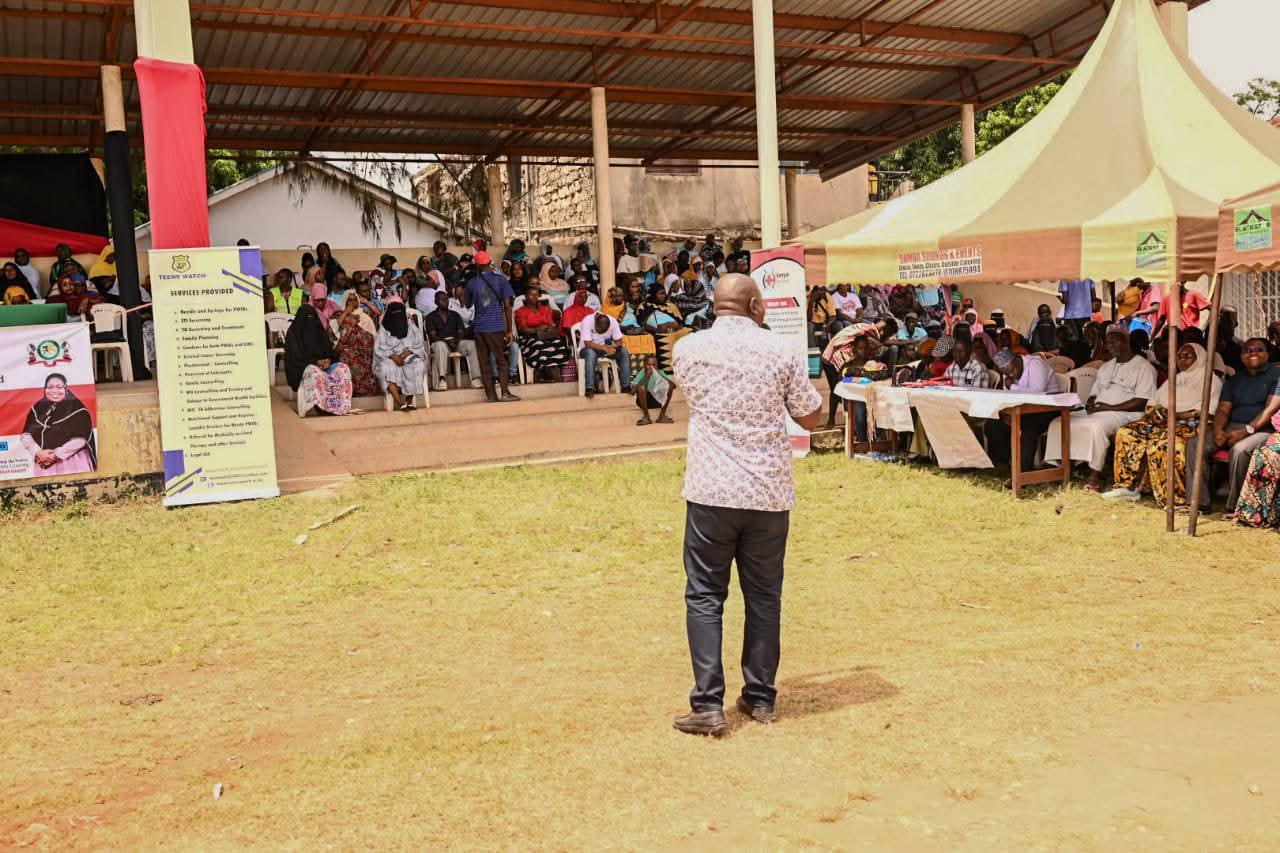
Deputy Governor Josphat Chirema Kombo urged residents, particularly the youth, to make HIV testing a routine part of their health care, saying early knowledge of one’s status remained essential in preventing further infections.
Young people in Kwale remain disproportionately affected by new HIV infections, health officials have said. The warning came as Kwale County marked this year’s World AIDS Day at the Ukunda showground in Msambweni.
World AIDS Day, observed globally on December 1, is a moment for communities to reflect on the fight against HIV, stand in solidarity with those living with the virus, and remember lives lost to AIDS-related illnesses. The 2025 theme focuses on adolescents and young people under the banner, One race, one goal, end AIDS in adolescents and young people.
More To Read
- Turkana marks World AIDS Day with stark warning over rising HIV infections
- German researchers find highly effective HIV antibody
- Global HIV response facing worst setback in decades, UNAIDS warns
- High Court upholds ruling against KDF for HIV discrimination in recruitment
- South Africa becomes first African nation to offer twice-yearly HIV prevention shot
- Kwale’s marginalised communities seek recognition, fair treatment
Addressing the gathering, Deputy Governor Josphat Chirema Kombo urged residents, particularly the youth, to make HIV testing a routine part of their health care, saying early knowledge of one’s status remained essential in preventing further infections.
He noted that avoiding testing only increased vulnerability. "Young people must take responsibility for their health by seeking accurate information and getting tested."
The deputy governor also criticised organisations that have withdrawn from initiatives aimed at reducing HIV infections, saying neglecting such responsibilities undermined human rights and jeopardised public health.
County HIV and STI Coordinator, Dr Nana Mafimbo, reported a slight improvement in the prevention of mother-to-child transmission, with rates falling from 16 per cent to 13 per cent.
She, however, stressed that the county still faces a significant challenge in tackling new infections among the youth.
Dr Mafimbo said the reduction in transmission from mothers to infants was encouraging but warned that complacency would reverse the gains. She emphasised the need for sustained interventions and community involvement.
During the event, Msambweni Deputy County Commissioner Josphat Mutisya cautioned residents against irresponsible behaviour, singling out men who rely on their wives’ HIV test results instead of undergoing testing themselves.
Mutisya described the habit as dangerous and misleading, urging men to seek individual testing rather than assuming their partners’ results automatically reflect their own.
Meanwhile, people living with HIV in Kwale called on the Social Health Authority (SHA) to include HIV treatment and related services in its coverage, arguing that the exclusion places an unfair financial burden on affected families.
Top Stories Today